Revenue managers utilize historical hotel performance data, current industry trends, and future demand to make informed projections to maximize revenue. It involves forecasting key metrics such as demand, occupancy, average daily rate, and RevPAR (revenue per available room). Financial forecasting is a critical aspect of financial management in the hospitality industry. Effective financial forecasting can improve decision-making, enhance profitability, and facilitate strategic planning.
Why Budgeting and Forecasting Are Crucial for Hotels
The operational budget focuses on day-to-day activities related to generating revenue and controlling costs. Key components include revenue projections, labor schedules, utility expense estimates, and purchasing plans for supplies and inventory. The operational budget serves as a blueprint for managing day-to-day finances and supports efficient resource allocation. Guest expectations and preferences evolve due to various factors like technological advancements, shifting demographics, and emerging trends.
- The ability to compare diverse data sources, such as on-the-books data and comp set data, ensures a comprehensive and informed forecast.
- Learn how flexibility, forecasting, and advanced tools can improve efficiency and p…
- We provide a wide range of categories including Accounting & IT, Programming, Creative and more.
- Running any business without a budget is the equivalent of walking through a year wearing a financial blindfold.
- Identify how trends correlate to changes in the hotel’s expenses or budget requirements.
- Prepare for 2026 now by implementing a hospitality-specific budgeting tool before next year’s budgeting season begins.
- Smart budgeting isn’t just about finances; it impacts the guest experience, too.
Capital budgets
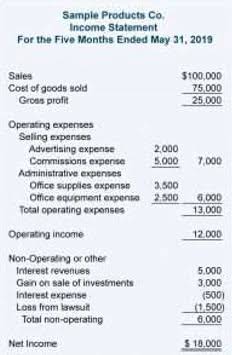
The next revenue management topic we will look at is how to create a demand calendar. You will run through your previous years’ expenses and then predict the value for the future based on current price ranges and your requirements. Start with gathering numbers from every software or document your management uses for accounting purposes. This data should have your booking rate, revenue per available room, ADR, length of stay, and the average length of stay. This set includes the everyday expenses that a hotel incurs to sustain the business, and unlike capital costs, these items are perishable.
Methods for Generating Accurate Hotel Forecasts
By analyzing fixed and variable costs, the budgeting process helps manage operating expenses, optimize profitability, and ensure long-term sustainability. Hotel financial software like FairPlanner connects seamlessly with over 150 hospitality platforms, including PMS, ERP, accounting, revenue management, benchmarking tools, and rate shoppers. Automated data imports and secure APIs keep financial data accurate and Restaurant Cash Flow Management up-to-date.
Regularly review and adjust your budget to stay aligned with your financial goals. Learn from past performance, identify areas of improvement, and celebrate successes with your team. When employees understand the financial goals and limitations, they can contribute to the overall objectives. For example, involving department heads in the budgeting process fosters a sense of responsibility and helps them manage resources effectively. Set SMART goals—specific, measurable, achievable, relevant, and time-bound—to give your financial plan direction. For example, you might target a 10% increase in RevPAR next quarter through dynamic pricing or targeted marketing campaigns.
- Like all brick-and-mortar businesses, running a hotel requires careful planning and monitoring to keep profit margins strong.
- The challenges of modern hotel budgeting are substantial, but the advent of Saas-based solutions presents a transformative opportunity for hotel operators.
- The majority of the businesses in the hospitality sector follow this method for their business budget planning.
- Advanced analytics tools can even identify patterns and trends that may not be immediately apparent, helping to predict future performance with greater precision.
Conduct monthly or quarterly reviews to assess performance against the set goals. If certain strategies are not yielding the expected results, reallocate resources as needed. By choosing FairPlanner, you invest in a solution that transforms your financial planning from a complex, time-consuming process into a streamlined, data-driven strategy for success. The hospitality industry faces challenges like market volatility, increased competition, and digital transformation. FairPlanner equips hoteliers with the tools and insights needed to adapt and thrive.
Including advanced anomaly detection and meticulous, manual spot checks on samples of all of our data. Hoteliers have access to the industry’s most accurate, complete, and reliable data sets. Want to see how Otelier’s budgeting, forecasting, and business bookkeeping intelligence solutions will work for you? Discover the root causes of labor overspending in hotels and how data-driven workforce optimization can reduce costs without sacrificing se… This can help you to identify areas for improvement that might require additional investment.

Unpredictable factors like seasonality, economic fluctuations, and global events can drastically affect room occupancy rates and overall demand. Our all-in-one platform consolidates critical data from multiple systems, including accounting, labor, sales, and revenue management, allowing for a complete and accurate financial overview. Enhance team collaboration with features that allow users to track changes, add in-line comments, and maintain full visibility over adjustments, ensuring accuracy and accountability. Most successful budgets are built from the bottom-up, meaning property-level leaders have the hotel budget first input before the data is rolled up to produce a companywide forecast.